



Buy-and-Build Platforms
The operating infrastructure for AI-native buy-and-build.
For acquisition entrepreneurs and buy-and-build platforms: source, acquire, integrate and automate traditional businesses — on one platform, with our team.
Experience across investment firms, financial businesses and global enterprises





One playbook for every add-on.
Set the playbook at the platform deal.
The stack is chosen and the sequence written once.
Run every add-on through it.
Each acquisition follows it and leaves it better.
Report as one group, ready for exit.
One data layer, and the exit story kept as you go.
The buy-and-build integration playbook: from platform to exit
Platform assessment
The platform’s technology assessed and the group stack chosen.
Add-on playbook
One sequence for each add-on: day one, data, finance, CRM, billing.
Group data layer
Reporting across every add-on, in one set of numbers.
Exit file
One documented technology story for the buyer’s due diligence.
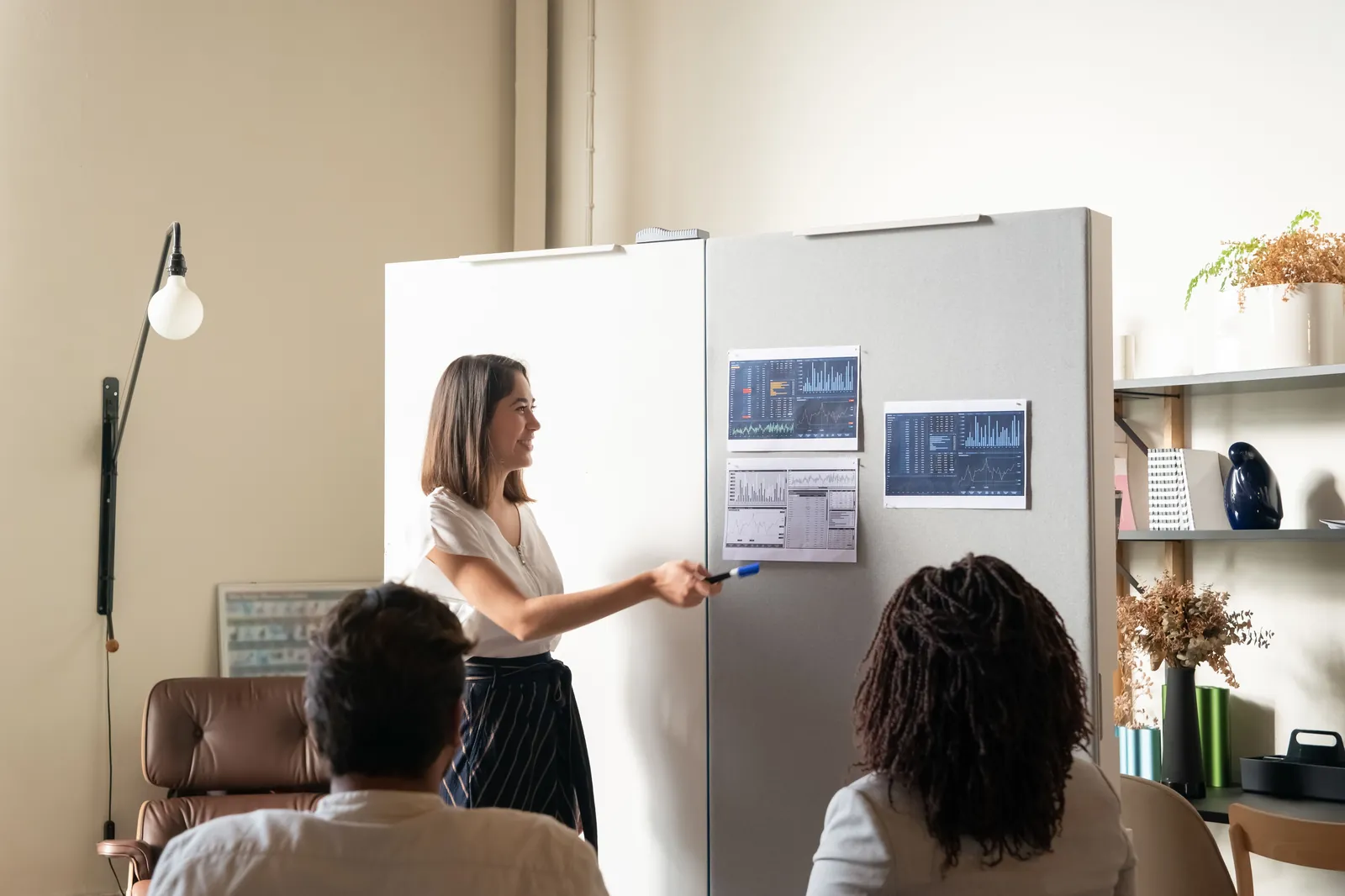
IntegrateRun every add-on on one playbook and report the group as one.
Target pipeline
Diligence checklists
Add-on integration plan
Group reporting
Questions and answers
What does Bearskin Group do for buy-and-build platforms?
Bearskin Group helps private equity sponsors and management teams with the technology of a buy-and-build platform, also called a roll-up. At the platform deal we assess the technology and choose the stack the group will grow on. For each add-on we run one integration playbook: day one, data migration, finance, CRM and billing. Across the group we build one data layer for reporting, apply AI in the back office where the economics justify it, and prepare one documented technology story for exit.
AI Value Creation for Business AcquisitionsWhen should a buy-and-build platform start on technology?
Ideally at the platform acquisition, before the first add-on: the decisions about core systems made then set the cost of every integration that follows. If several add-ons are already in, we start from an assessment of what the group runs today and a plan to bring it together.
What is the difference between buy-and-build and a roll-up?
The terms overlap and are used loosely. In both, a platform company acquires other businesses. A roll-up usually stresses consolidating many businesses in one market, while buy-and-build stresses building a platform and bringing each add-on into one operating business. For technology the question is the same: how each add-on joins the platform.
Do all add-ons have to move onto the same systems?
Not always. Finance, reporting and identity usually come together early. Operational systems can follow later, or stay where they are if the case for migrating them is weak. The playbook sets the order and the criteria.
What should day one of an add-on integration cover?
Access and identity, finance, and the path from CRM to billing, so the business works within the group’s processes from the start, even where some systems stay separate for now. The rest of the migration is scoped and sequenced after that.
Can you work with our existing IT team or provider?
Yes. We can work alongside them, take on specific parts of the integration, or provide interim technical leadership while the platform builds its own team.
What will a buyer’s technology due diligence look at when the platform is sold?
Typically the architecture, how well the acquired businesses are connected, the quality of the data and group reporting, security and the known risks. One technology story documented as the group is built answers these questions without a scramble before the sale.
Technology Due DiligenceDo you provide investment advice?
No. We are technology advisers and engineers. We do not provide investment advice or brokerage services.